


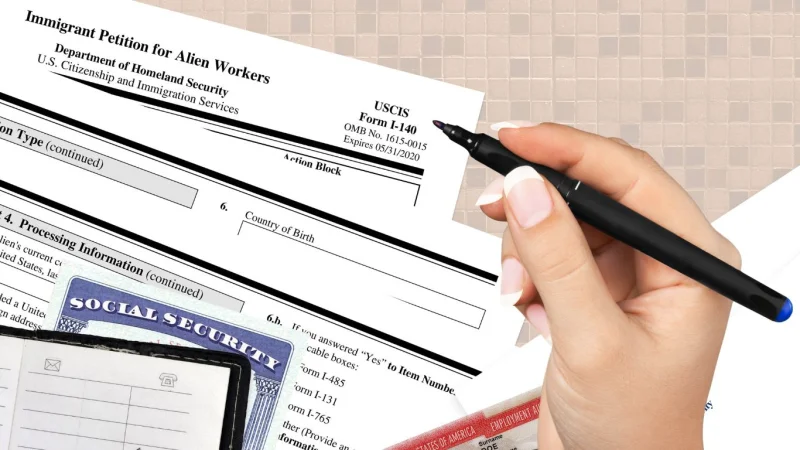
USCIS said Monday that denials tied to signatures rose sharply over the past five fiscal years, climbing from 300 in fiscal year 2021 to 2,953 in fiscal year 2025, as the agency warned that more applicants are filing benefit requests with invalid signatures. The internal figures, published in a Federal Register notice, show a nearly 900% increase over the period and put a fresh spotlight on a basic filing requirement that can end a case before it is even reviewed.
The agency said many requestors have been submitting filings with signatures that do not meet its rules, including a growing number of cases in which people copy and paste or affix an image of a signature onto multiple requests. USCIS said that practice can be done by anyone, not necessarily the person whose name is on the form, and that has helped drive a rise in rejections and denials.
For applicants, the cost of getting it wrong is immediate. Federal regulations say any application missing a signature or containing an invalid one is subject to immediate rejection, and USCIS does not give people a chance to fix the problem after a filing is bounced. If a request is rejected, the applicant has to submit the entire request again, meet all filing requirements again, and pay the fees again. Even when a filing is accepted at first, USCIS can still deny it later if a deficient signature turns up during review.
The five-year annual average for signature-related denials was 1,192, according to the agency. The USCIS Administrative Appeals Office has also adjudicated 758 appeals involving requests denied because a signature was copied from another document, underscoring how often the issue reaches beyond a simple clerical mistake. In one case cited by the agency, a subordinate reportedly copied a signature from a blank sheet of paper onto at least 20 petitions for nonimmigrant workers. In another, a consulting firm allegedly filed about 3,000 petitions using pasted signatures.
USCIS policy is broader than many filers may realize, but it is also strict about where a signature must come from. The agency said a valid signature is any handwritten mark or sign made by a person to show awareness of the contents of the request and supporting documents, approve the information provided, and certify under penalty of perjury that the submission is true and correct. That mark does not have to be legible, written in English, or in cursive, and applicants may use an X or similar mark if that is their normal signature practice.
What the agency will not accept is a signature made by a typewriter, word processor, stamp, auto-pen, or similar device unless a form instruction specifically allows it. It does accept original handwritten signatures that are later photocopied, scanned, faxed, or electronically reproduced, but only if the copy comes from an original document bearing a handwritten signature. The line USCIS is drawing is simple: the signature has to begin with the person who is signing, not with a file image or a machine-generated mark.
That distinction matters now because USCIS said it has seen a rise in copy-pasting and other improper reproductions at the same time signature-related denials have surged. The numbers suggest the agency is seeing more than isolated mistakes. They point to a filing problem that can cost applicants time, money and, in some cases, the chance to have a request heard at all.
