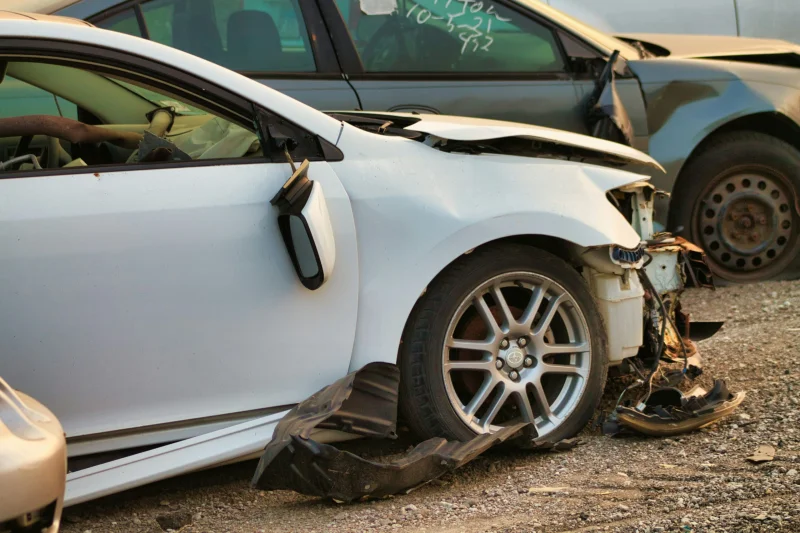
Greenville’s traffic can turn fast and rough in places that once felt quiet, and when a crash happens there, the next steps often matter as much as the impact itself. A truck accident lawyer or car accident lawyer at CR Legal in Greenville, South Carolina, can help families move through the chaos with structure after a wreck involving multiple drivers, a commercial vehicle or disputed fault.
The city’s roads carry heavy commuter traffic along Pleasantburg Drive, freight traffic on I-85 toward Spartanburg and a busy mix of locals and tourists near Main Street and the Reedy River. The Upstate hub is also seeing rapid build-out around Verdae, Five Forks and the Woodruff Road corridor, which adds more pressure to already crowded routes. That is why the chance of a serious wreck climbs in places that used to feel low-risk. Recovery in a city this layered rarely fits a clean script.
On the first call after a crash, the team gathers crash details, symptoms and coverage data. It also logs photos and witness contacts before memory blurs. That early work matters because urgent flags can change the path of a case: hit and runs, suspected intoxication, roadway defects or possible vehicle failure. Soon after, lawyers send preservation letters, request traffic camera footage and ask nearby businesses to retain video so evidence does not disappear.
When impact details are contested, investigators do not rely on recollection alone. They document vehicle damage, final positions, skid marks, sight lines and signal timing. Medical records and imaging are secured early as well, so force patterns can be tied to clinical findings. Insurers often move quickly after a collision, seeking recorded statements and broad authorizations before a family has had time to understand the full extent of the injuries. Counsel can confirm policy layers, check exclusions and coordinate benefits across health, auto and employer coverage.
Hard cases rarely turn on one driver alone. Lawyers map responsibility across drivers, employers, vehicle owners, repair shops, freight brokers, property managers and public agencies tied to road design or maintenance. Statements are then tested against physical findings, phone records, work schedules, dispatch data and repair histories. That kind of review can be especially important in freight-related cases; in a related examination of truck crash evidence, Truck Accident Lawyers Examine Logbook Fraud in Lafayette Crash Cases shows how records can shape liability when a commercial vehicle is involved.
The injury side of the case is just as methodical. Teams collect visit notes, imaging reports, therapy records and physician opinions on healing time, impairment and restrictions. Wage documents and job demands help measure missed earnings and reduced capacity, which can matter as much as the initial hospital bills. In a city where commuters, freight trucks and growing development share the same roads, the legal work after a serious wreck is less about a single moment than about rebuilding the story in the right order — before the evidence, the records and the people who saw it begin to fade.