


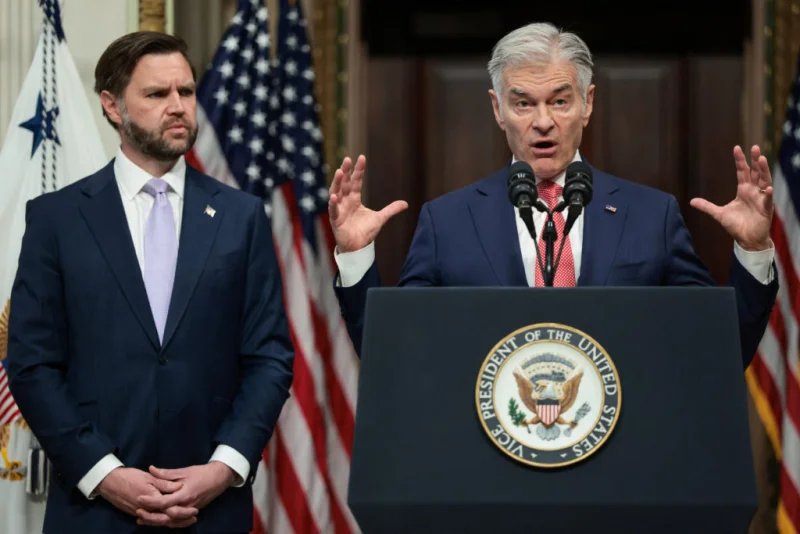
The Trump administration on Wednesday announced a six-month freeze on some new Medicare enrollments, moving to block new business in a corner of the health program it says has been plagued by fraud. The Centers for Medicare and Medicaid Services also imposed a nationwide six-month moratorium on all new Medicare enrollments by hospice and home care providers.
Existing hospice and home health care providers will keep operating during the pause, but the government said it will intensify targeted investigations, deploy advanced data analytics and move faster to remove providers it suspects of fraudulent activity. The actions were tied to Vice President JD Vance's anti-fraud task force, which was set up by Republican President Donald Trump.
The scale of the crackdown is one reason the announcement landed hard. Dr. Mehmet Oz said there had been “systemic and deeply troubling fraud in the hospice and home health space, with bad actors exploiting some of our most vulnerable Medicare patients and stealing money from the American taxpayer.” He added that the government was “shutting the door on fraud — preventing new bad actors from entering Medicare while we aggressively identify, investigate, and remove those already exploiting them.”

The move also fits a pattern that has long shadowed Medicare policing. Tricia Neumann noted that President Bill Clinton's Democratic administration once imposed a temporary moratorium on home health agencies, underscoring that broad enrollment freezes have been used before when federal officials believe a sector needs a hard stop. This time, the administration said the goal is to preserve funding and resources for people most in need while preventing fraud in Medicare and Medicaid.
That broader message came with a sharper warning from inside the Department of Health and Human Services. Its internal watchdog sent letters to state attorneys general on Wednesday urging them to vigorously investigate possible fraud or risk losing federal money, adding pressure on states just as some have warned that sweeping anti-fraud efforts can punish law-abiding providers along with bad actors.
The administration's concern is not abstract. Officials said several alleged fraud schemes have already been prosecuted in the hospice and home health care categories, and the pause is meant to keep more questionable providers from entering the system while investigators work. Tricia Neumann said, “A brief moratorium gives the administration time to crack down on true fraud and prevent new fraudulent entities from popping up.”
The question now is not whether the government is serious. It is whether the freeze can cut out fraudulent operators without choking off legitimate care in a sector that serves some of the most vulnerable Medicare patients.
