


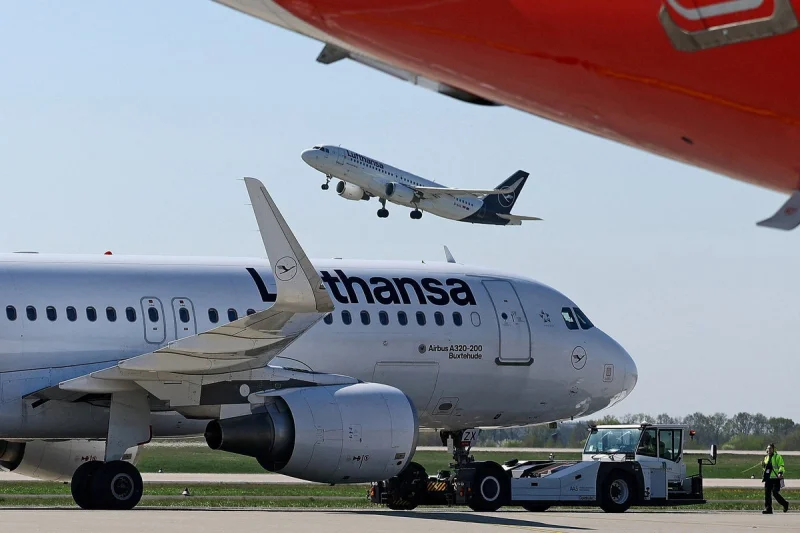
Airlines have sharply escalated flight cancellations for May, with 296 departures from UK airports called off by Tuesday and leaving half-term travellers facing a tighter summer timetable. The figure, equal to 0.75 per cent of all scheduled UK flights, was up from 120 cancellations reported six days earlier.
The cuts are landing at a sensitive moment for families planning half-term travel, and the pattern is not easing evenly through the summer. June schedules show only 48 fewer outbound flights week on week, July is down by 31 flights and August by four, suggesting the squeeze is being managed month by month rather than reversed. Heathrow alone recorded just over 100 cancellations, with those losses tied to extensions of planned services to Gulf airports and further delays to their resumption.
The scale of the disruption is wider than Britain. Roughly 13,000 flights have been cancelled globally in May, removing about two million seats from the market and cutting worldwide aviation capacity by 1.5 per cent. The main pressure point is not a lack of aircraft or crew but the price of jet fuel, which has surged on conflict in the Middle East and forced airlines to trim operations they can no longer run profitably.

That has hit several carriers in different ways. Lufthansa and Turkish Airlines account for a substantial share of the grounded services, and some Lufthansa operations in the UK have been affected. Passengers booked to fly from Glasgow to Frankfurt may instead be sent to depart from Edinburgh, a reminder that the cancellations are not always cleanly visible on a booking confirmation and can turn into re-routings as airlines try to protect the rest of the network.
The pressure is also changing airport policy. Airports are preparing to ease regulations so airlines can cancel flights without forfeiting the slots they have been allocated if fuel scarcity prevents them from operating. That gives carriers more room to cut and reset schedules without losing their long-term position at crowded airports, but it also underlines how seriously operators are treating the fuel shock. Heathrow’s just-over-100 cancellations were not random losses so much as extensions of existing Gulf services that could not be brought back on time.
Several airlines are already spelling out what the fuel spike means for their balance sheets. The Greek airline expects suspended Middle East flights and higher fuel prices to hit first-quarter results. In Malaysia, executives said the group had cut 10 per cent of flights and was paying about a 20 per cent surcharge on fuel in general, while also planning to lift long-haul ticket prices. Cabin fares are set to rise by 50 euros, or $58, per round trip. KLM has also cancelled more than 150 European flights because of the rising cost of jet fuel.
For now, the clearest answer for travellers is that the cancellations are being driven by cost, not shortage, and the next few months are likely to bring selective reductions rather than a broad rebound. That means the disruption may be most visible not in one dramatic collapse, but in the steady trimming of schedules, route by route, as airlines decide which flights they can still afford to keep in the air.
